17 Stoic Journal Prompts for Morning, Evening and the Week
 By
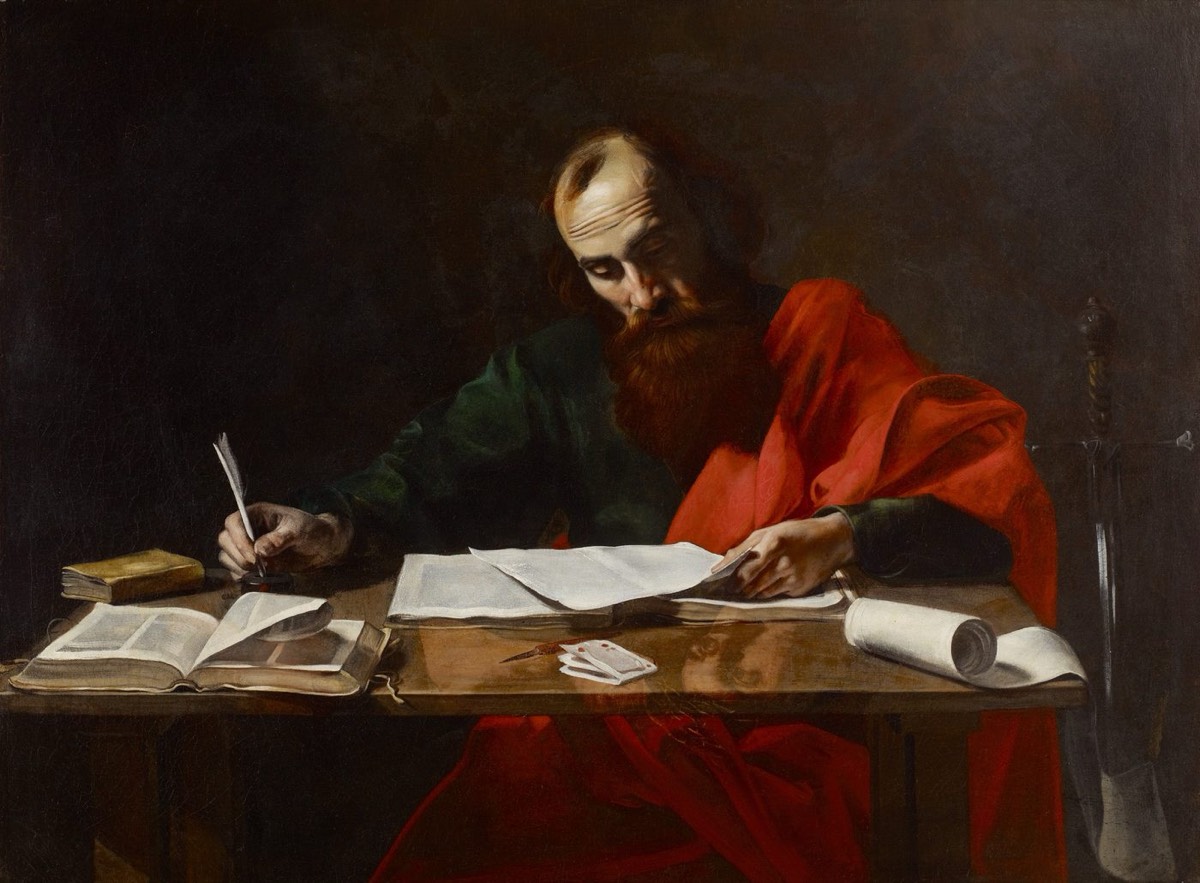
A Stoic journal is not a diary. A diary records what happened. A Stoic journal asks what you did about it, and it asks the same few questions every day until the answers start to change.
That is why the prompts matter more than the notebook. Below are seventeen: five for the morning, five for the evening, and seven for a weekly review. They are the questions Marcus asks, so they are in daily use, not assembled for a list.
One rule we held ourselves to. The wording of each question is ours, but the practice behind it is ancient, and each prompt comes with the passage it rests on, quoted from a public-domain translation you can check. Where the connection to the sources is loose, we say so.
All seventeen at a glance
| # | When | Prompt | Source |
|---|---|---|---|
| 1 | Morning | What is in my control today, and what must I release? | Epictetus, Enchiridion 1 |
| 2 | Morning | Who will I meet today that I find difficult, and what do I owe them anyway? | Marcus Aurelius, Meditations II.1 |
| 3 | Morning | What am I postponing that matters? | Seneca, Letters 1.2 |
| 4 | Morning | What might come at me today that I cannot control, and how would a person of virtue bear it? | Epictetus, Enchiridion 4 |
| 5 | Morning | What am I already telling myself about today, and is it true? | Epictetus, Enchiridion 1 |
| 6 | Evening | Where did I act in accordance with virtue today? | Epictetus, Discourses III.10 |
| 7 | Evening | Where did I fall short, and what would a person of virtue have done? | Epictetus, Discourses III.10 |
| 8 | Evening | What did I leave undone that was mine to do? | Epictetus, Discourses III.10 |
| 9 | Evening | What am I carrying that I must set down before I sleep? | Seneca, On Anger III.36 |
| 10 | Evening | Who, or what, deserves my thanks today? | Marcus Aurelius, Meditations I.1 |
| 11 | Weekly | What went well this week, more than once? | Epictetus, Discourses III.10 |
| 12 | Weekly | Where did I fall short, and did it happen the same way twice? | Epictetus, Discourses II.18 |
| 13 | Weekly | What patterns am I noticing? | Epictetus, Discourses II.18 |
| 14 | Weekly | How did I treat my body: sleep, movement, food, restraint? | Seneca, Letters 8.5 |
| 15 | Weekly | Which virtue held this week, and which gave way? | Ours, on the four virtues |
| 16 | Weekly | Which of my roles did this week serve, and which did it cost? | Epictetus, Enchiridion 30 |
| 17 | Weekly | What one thing will I do differently next week? | Epictetus, Enchiridion 51 |
Morning prompts
The morning looks forward. Its job is to arrange how you will meet a day that has not happened yet, which is a different job from the evening’s. Five minutes is enough. For the reasoning behind the order, see the Stoic morning routine.
1. What is in my control today, and what must I release?
Of things some are in our power, and others are not.Epictetus, Enchiridion 1, trans. George Long
This is the first sentence of the handbook, and every other prompt on this page depends on it. Write two short lists. On one side, what is actually yours today: your judgments, your effort, how you speak to people. On the other, what is not: the outcome of the meeting, someone’s mood, the weather.
The useful answers are specific. "I control my attitude" is a slogan. "I control whether I prepare for the two o’clock call, and I do not control whether they sign" is a plan. More on the idea in the dichotomy of control.
2. Who will I meet today that I find difficult, and what do I owe them anyway?
When you wake, say to yourself — To-day I shall encounter meddling, ingratitude, violence, cunning, malice, self-seeking; all of them the results of men not knowing what is good and what is evil.Marcus Aurelius, Meditations II.1, trans. Gerald Rendall
Marcus was not being gloomy. He was refusing to be surprised. Name the person, then answer the second half, which is the part that matters. The difficult colleague is still owed your honesty and the work you promised. Naming them before the day begins is what lets you meet them as a person and not as an interruption.
If nobody difficult is coming, name whoever has a claim on you today and what it is.
3. What am I postponing that matters? Name one thing.
While we are postponing, life speeds by.Seneca, Letters 1.2, trans. Richard Gummere
One thing, not a list. Postponement is rarely a scheduling problem. It is usually a failure of nerve, which makes this the courage question of the morning. You are not promising to finish it today. You are refusing to pretend it is not there.
4. What might come at me today that I cannot control, and how would a person of virtue bear it?
When you are going to take in hand any act remind yourself what kind of an act it is.Epictetus, Enchiridion 4, trans. George Long
Epictetus goes on to describe a trip to the public baths: the splashing, the pushing, the theft. Expect those, he says, and you will go with your composure intact. This is premeditatio malorum, the rehearsal of difficulty.
Pick the one thing most likely to go wrong today: the delay, the criticism, the plan that falls apart at noon. Then write one sentence about how you would want to carry it. You are not predicting disaster. You are deciding in advance who you will be when it arrives.
5. What am I already telling myself about today, and is it true?
Straightway then practise saying to every harsh appearance: You are an appearance, and in no manner what you appear to be.Epictetus, Enchiridion 1, trans. George Long
By the time you sit down to write, you have usually reached a verdict on the day: this meeting will go badly, that person is angry with me, I am behind. Write the sentence down exactly as you are thinking it. Then ask what the facts are, separate from the story. A terse message is a fact. "She is furious" is an interpretation.
Evening prompts
The evening looks back. It is the oldest documented practice in the tradition, and its first three questions come straight from the verses Epictetus quotes:
Let sleep not come upon thy languid eyesBefore each daily action thou hast scann’d;What’s done amiss, what done, what left undone;From first to last examine all, and thenBlame what is wrong, in what is right rejoice.Epictetus, Discourses III.10, quoting the Golden Verses, trans. George Long
Three questions hide in the third line: what was done amiss, what was done, what was left undone. Prompts 6 to 8 are those three. The full practice is in the Stoic evening examination.
6. Where did I act in accordance with virtue today?
Start with what went right. "In what is right rejoice" is half of the instruction, and it is the half people skip. A review that only finds faults is not rigorous. It is inaccurate.
Be specific. "I was patient" is less useful than "I stayed calm when the meeting ran over, and still gave my colleague my full attention."
7. Where did I fall short, and what would a person of virtue have done?
The first half is accounting. The second half is what makes it useful. Naming what a better version of you would have done turns a failure from a verdict into an instruction. Keep the scope narrow: not what went badly, which is usually circumstances, but where you acted against what you know to be right.
8. What did I leave undone that was mine to do?
This is the quietest of the three and the one most often missed. Acting badly announces itself. Not acting leaves no trace: the call you did not make, the conversation you avoided, the work that was yours and stayed untouched.
It is not a to-do list. Not every unfinished task was a duty. Ask what was actually yours to do, write it plainly, and leave it written. If you answered prompt 3 this morning, this is where you find out what became of it.
9. What am I carrying that I must set down before I sleep?
I pass the whole day in review before myself, and repeat all that I have said and done: I conceal nothing from myself, and omit nothing.Seneca, On Anger III.36, trans. Aubrey Stewart
Seneca reviewed his whole day every night, as prosecutor and judge, and then he closed the case. His sentence on himself, a few words later, is "I pardon you this time: see that you never do that any more." That last step is the point of this prompt. Write down what is still looping: the slight, the worry, the argument you are rehearsing. Decide whether it needs you tomorrow. If it does, it will be there tomorrow. If it does not, the examination is over, and carrying the verdict to bed is not rigor.
10. Who, or what, deserves my thanks today? Name one, and be specific.
From my grandfather Verus, integrity and command of temper.Marcus Aurelius, Meditations I.1, trans. Gerald Rendall
That is the first line of the Meditations. The whole first book continues the same way: a list of people and exactly what each one gave him. Stoic gratitude is attention, not cheerfulness. "I am grateful for my health" is a thought. "My knee held up on the stairs all day" is something you noticed.
Weekly review prompts
A caution before these. No ancient source describes a weekly review. The week is our unit, chosen because some things cannot be seen from inside a single day. The individual questions still rest on the sources, and we give them.
Fifteen minutes, once a week. Read back the week’s entries first. That step is where most of the value is, because memory is where patterns hide.
11. What went well this week? Where did I act with virtue more than once?
One good moment is worth naming in the evening. The week asks a different question: what did you do well repeatedly? That is the part that has stopped being effort and started being character.
12. Where did I fall short this week, and did it happen in the same way twice?
If then you wish not to be of an angry temper, do not feed the habit: throw nothing on it which will increase it: at first keep quiet, and count the days on which you have not been angry. I used to be in passion every day; now every second day; then every third, then every fourth.Epictetus, Discourses II.18, trans. George Long
Epictetus counted days. That is the whole method: a lapse that happened once was circumstances, and a lapse that happened Tuesday and again Friday is a habit. The habit is the one worth spending next week on. His example is anger, and the same counting works for anything. There is more on that one in Stoicism and anger.
13. What patterns am I noticing? What remains unresolved?
The same passage is behind this one. You cannot answer it from memory, so read the days back, mornings and evenings together. Most people find one recurring failure and one recurring excuse, and neither is visible on any single day.
14. How did I treat my physical self: sleep, movement, food, restraint?
Hold fast, then, to this sound and wholesome rule of life; that you indulge the body only so far as is needful for good health.Seneca, Letters 8.5, trans. Richard Gummere
The Stoics did not treat the body as separate from character. How you slept and ate is evidence, the same as how you spoke. Answer with facts if you have them, such as hours slept and days you moved, not impressions.
15. Given the week you just described, which virtue held, and which gave way?
This question is ours. The framework is ancient: wisdom, courage, justice and temperance, the four Stoic virtues. But no ancient text asks you to score a week against them, and we will not pretend one does.
It works because it is a verdict on evidence you have already written. Pick one virtue that held and one that gave way, and point to the day that proves each.
16. Of my roles, which did this week serve, and which did it cost?
Duties are universally measured by relations.Epictetus, Enchiridion 30, trans. George Long
Epictetus held that what you owe depends on who you are to people: a parent, a friend, a colleague, a citizen. A week spent well in one role is usually paid for by another. Naming which one paid is more honest than asking whether the week "went well."
17. What one thing will I do differently next week?
How long will you then still defer thinking yourself worthy of the best things, and in no matter transgressing the distinctive reason?Epictetus, Enchiridion 51, trans. George Long
One change, not five. Make it small enough to keep in the conditions you actually live in, and specific enough that next week’s review can tell whether you did it. (In Long’s edition this passage closes section 50. Most modern editions number it 51.)
How to use these prompts
- Start with the evening. If seventeen questions is too many, do prompts 6, 7 and 8 tonight and nothing else for a week. They are the oldest part of the practice and the part with the clearest instructions.
- Add the morning second. Prompts 1 and 4 carry most of the weight. Add the others when those two are a habit.
- Write short. Two or three sentences per question. Marcus wrote the Meditations in fragments, and the entries that changed him were not long.
- Keep the questions the same. The value comes from answering the same question on a good day and a bad one. New prompts every day are entertainment.
- Miss a day without ceremony. Seneca pardoned himself and went to sleep. Do the same and pick it up the next evening.
Questions people ask
What should I write in a Stoic journal?
Your own conduct, examined against what you believe is right. Not events, and not feelings on their own. The three evening questions cover it: what you did well, what you did badly, and what you left undone.
Did Marcus Aurelius use journal prompts?
Not in the modern sense. The Meditations is a notebook of arguments with himself, with no fixed questions. The structured questions come from Epictetus, who quotes the Golden Verses, and from Seneca’s account of his nightly review. If you want to read Marcus himself, start with how to read the Meditations.
How long should Stoic journaling take?
Five minutes in the morning and ten in the evening is plenty. Seneca did his review in bed after the lamp was out.
Is it better to journal in the morning or the evening?
They do different jobs, so the honest answer is both. If you can only do one, do the evening. It is the better-documented practice, and it is the one that makes the next morning’s questions easier to answer.
Where to go next
For the practice as a whole, read how to keep a Stoic journal.
Marcus is a Stoic practice app for iOS that asks these seventeen questions at the right time of day and keeps your answers on your own phone and nowhere else. The first day is free. Explore the app.

Marcus turns this into a daily practice for iOS: a morning preparation, a daily reading, and a structured evening examination.
Explore the app →