The school
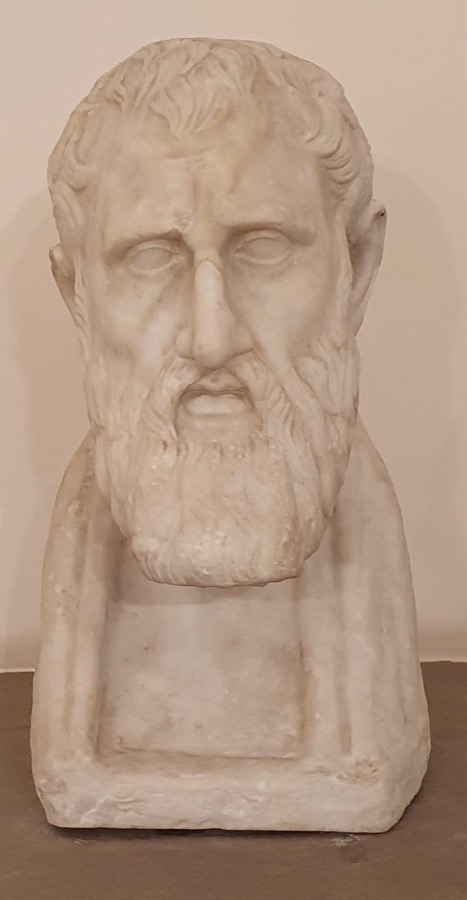
Zeno of Citium
c. 334–262 BC
A shipwrecked merchant who founded a school on a public porch.
Cleanthes
c. 330–230 BC
A boxer who carried water by night so he could study by day.
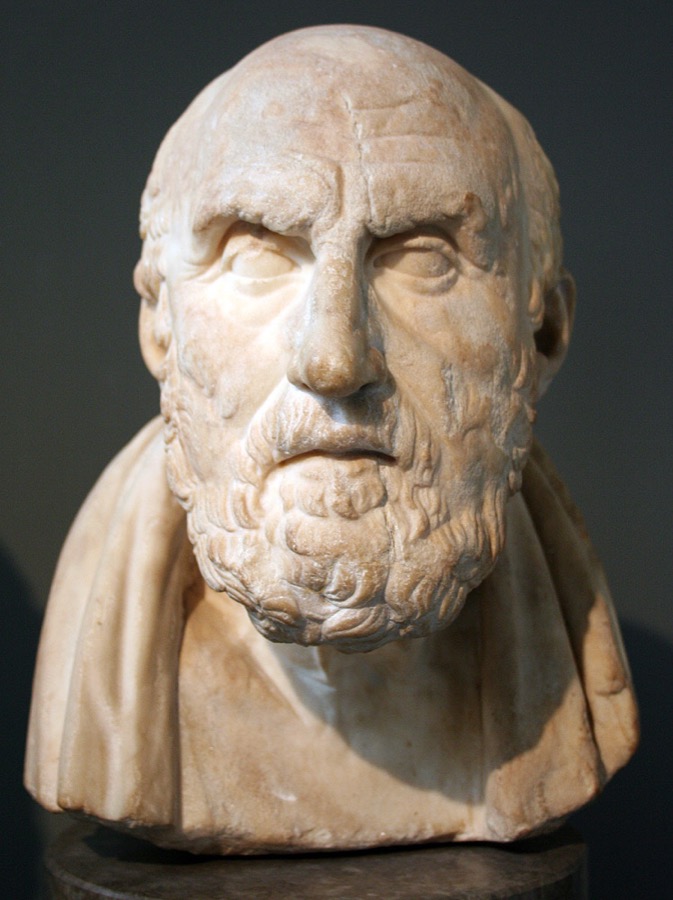
Chrysippus
c. 279–206 BC
The logician who turned a set of convictions into a system.
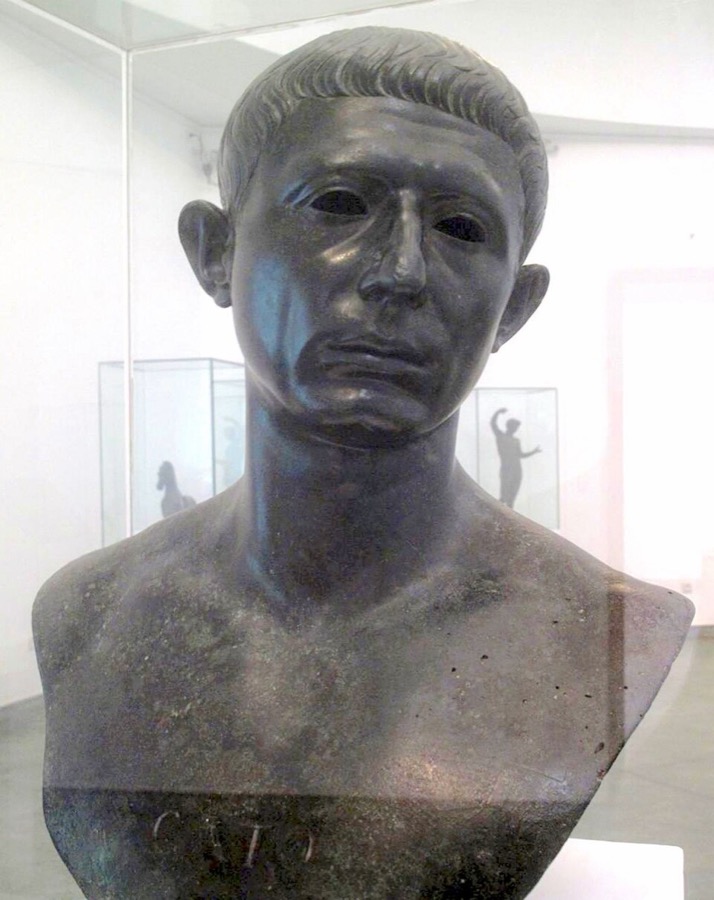
Cato the Younger
95–46 BC
Wrote nothing. Held up by every Stoic after him as the thing itself.
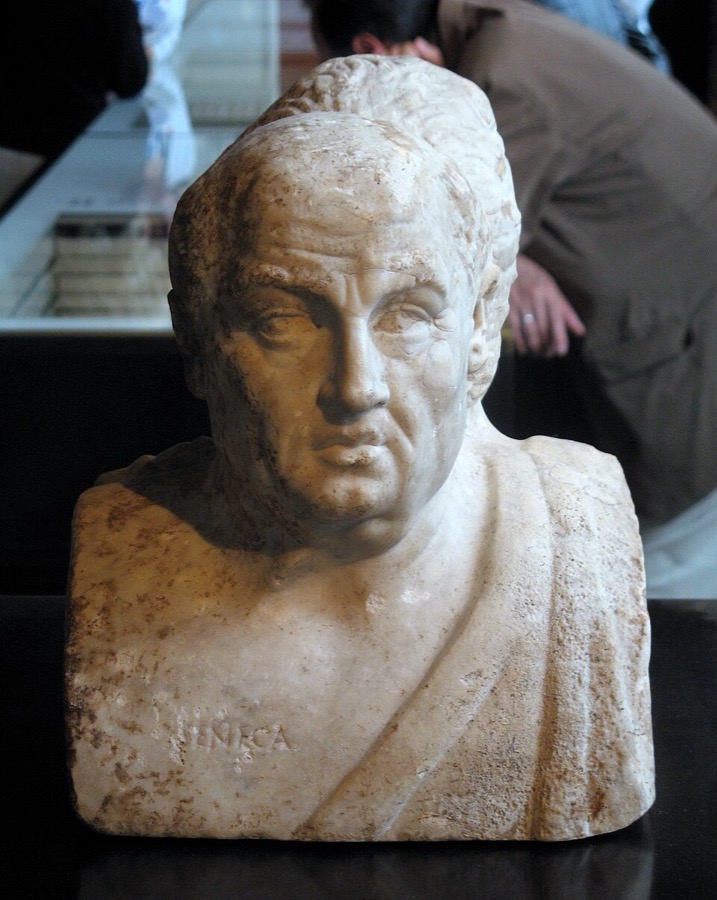
Seneca
c. 4 BC–65 AD
Nero's tutor, enormously rich, and the most quotable Stoic on how to live poor.
Musonius Rufus
c. 30–101 AD
Epictetus's teacher, and the most practical of the Roman Stoics.
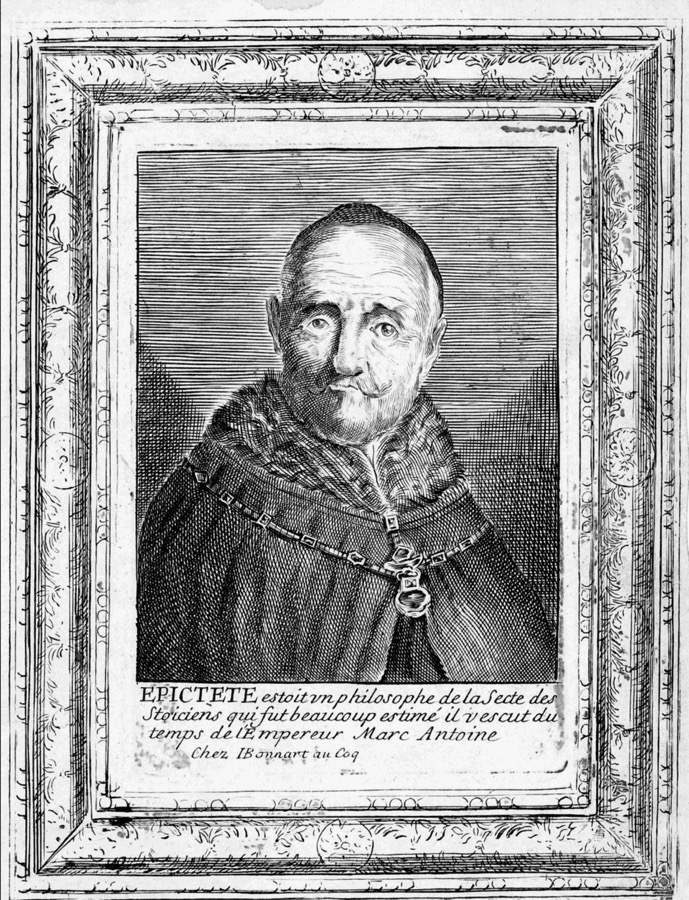
Epictetus
c. 50–135 AD
Born a slave, lame, and the most uncompromising teacher in the tradition.
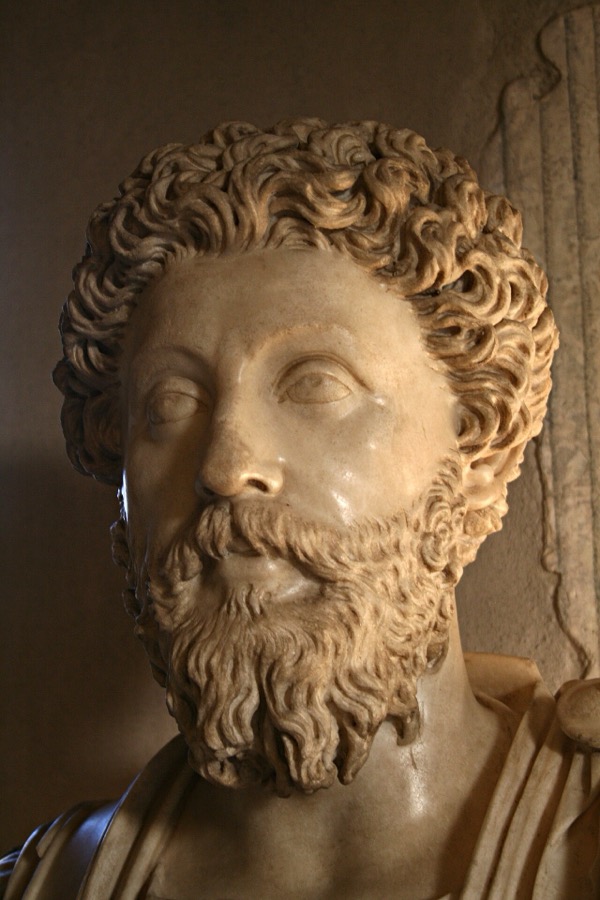
Marcus Aurelius
121–180 AD
The most powerful man alive, writing privately to keep himself honest.
Sources & influences
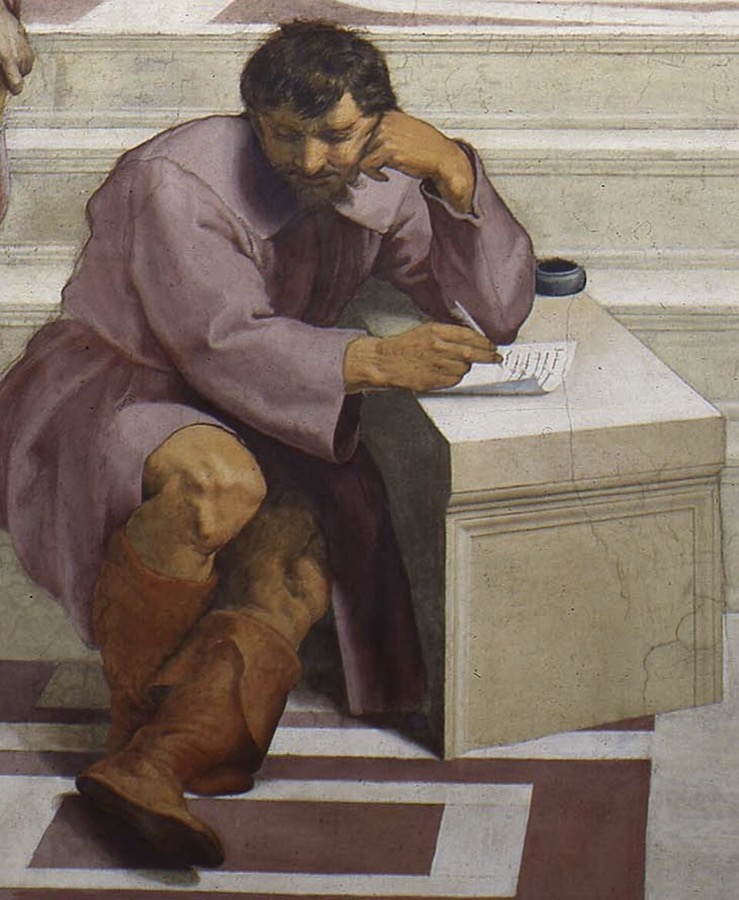
Heraclitus
c. 535–475 BC
Supplied the Stoics with their physics, two centuries before there were any.
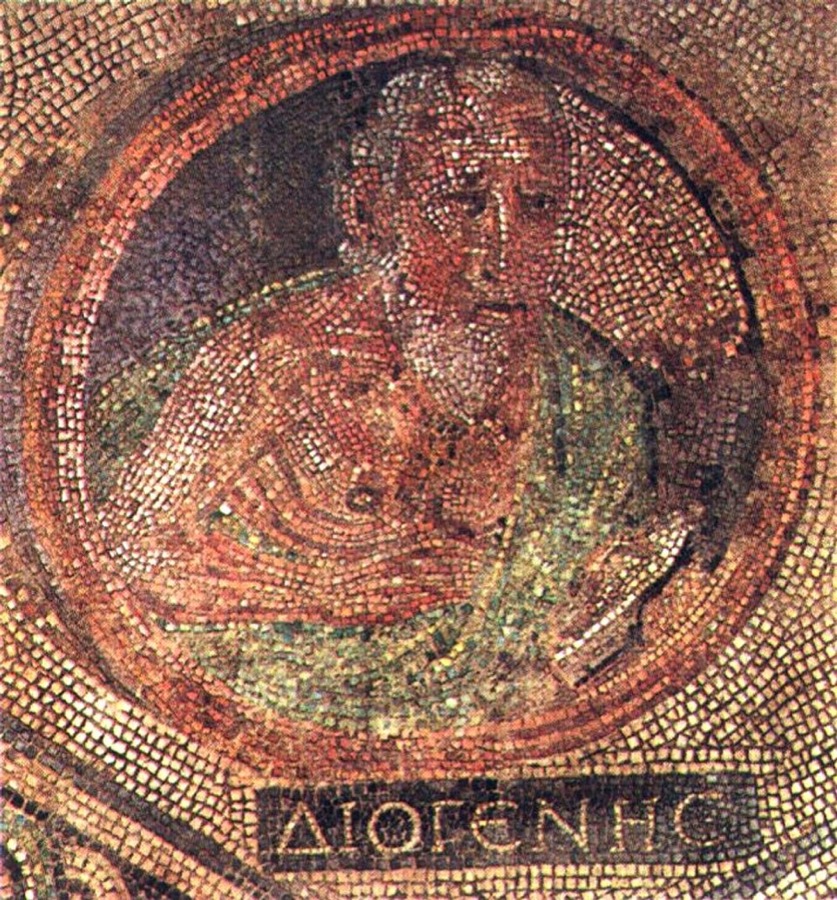
Diogenes of Sinope
c. 412–323 BC
The Cynic whose students taught Zeno. Stoicism starts here, in a barrel.
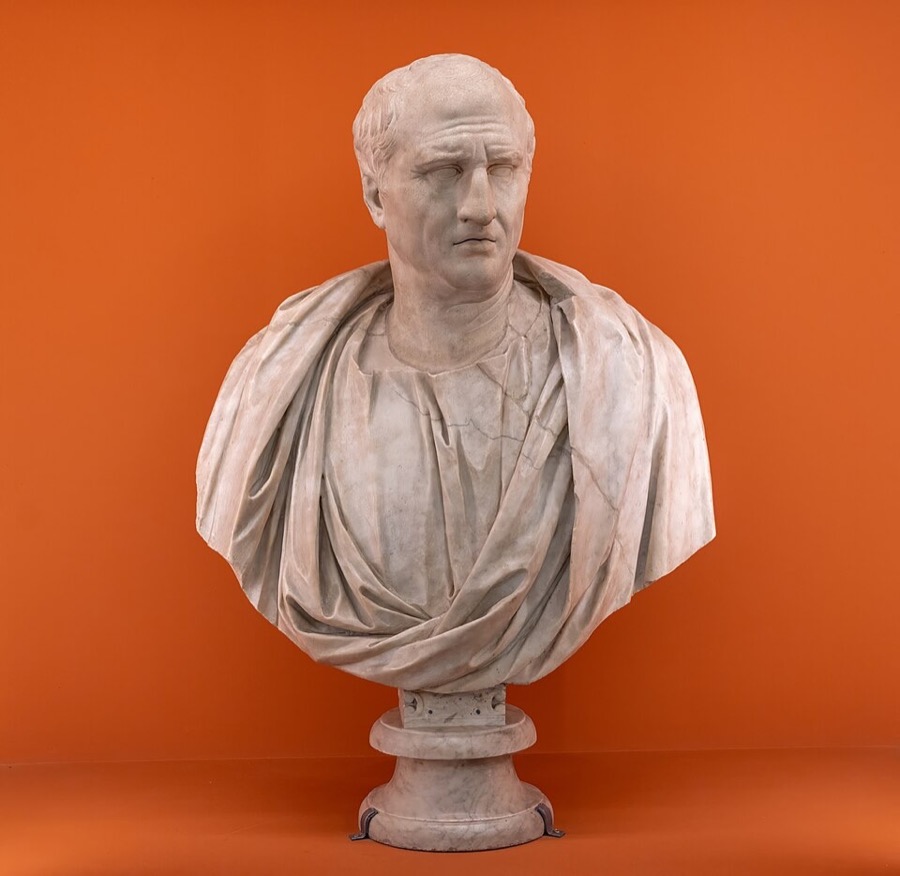
Cicero
106–43 BC
Not a Stoic. The reason Stoic ethics survived into the Latin West.
Diogenes Laertius
c. 3rd century AD
An uncritical compiler, and the reason we know the early Stoics at all.
Portrait photographs are of ancient busts held in public collections, sourced via Wikimedia Commons. If you hold rights in one of these photographs and would like it credited or removed, tell us and we will act on it.

Marcus turns these voices into a daily practice, for iOS.
Explore the app →